
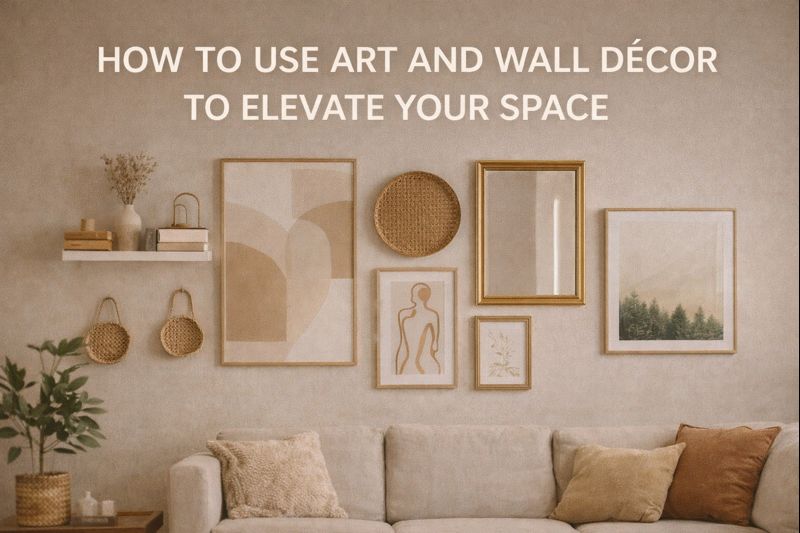
Walls are more than structural elements that hold up a roof — they are powerful storytelling tools. When thoughtfully styled, they can transform a plain room into an expressive, inviting, and visually stunning space. Whether you live in a compact apartment, a family home, or manage commercial interiors, the right art and wall décor can dramatically elevate your environment.
In this guide, you’ll discover how to choose, position, and style wall décor to enhance mood, create balance, reflect personality, and add long-term value to your interior design.
Why Wall Décor Matters in Interior Design
Many people invest in furniture and flooring but overlook the vertical space. Yet walls make up the largest visual surface in any room. When left bare, even expensive interiors can feel incomplete or cold.
Well-chosen wall décor:
Adds character and emotional depth
Creates focal points
Improves spatial perception
Enhances lighting and color harmony
Reflects personal or brand identity
Makes small spaces feel larger
Adds sophistication and cohesion
In short, wall décor turns a house into a home.
Understand the Purpose of Each Room
Before selecting art, clarify what each room should communicate.
Living Room
Social, expressive, welcoming
Ideal for statement pieces, gallery walls, or bold art
Bedroom
Calm, personal, relaxing
Soft colors, minimal compositions, photography, or abstract art
Home Office
Motivating and focused
Typography art, structured pieces, calming landscapes
Dining Area
Warm and stimulating
Cultural art, textured décor, large frames
Hallways & Entryways
First impressions
Mirrors, vertical art, storytelling collections
Matching décor to function prevents visual chaos and strengthens design intention.
Choosing the Right Art Style
Art style sets the emotional tone of your space.
Popular Interior Styles:
1. Abstract Art
Perfect for modern spaces. Adds movement and creativity.
2. Minimalist Art
Clean lines, subtle tones, great for Scandinavian or contemporary interiors.
3. Photography
Urban, travel, or nature photography brings realism and depth.
4. Traditional & Cultural Art
Perfect for warmth, heritage, and storytelling.
5. Typography & Quotes
Great for offices, kitchens, and modern homes.
6. Mixed Media & 3D Art
Adds texture and luxury.
Mastering Scale and Proportion
One of the most common mistakes is choosing art that is too small.
Rule of Thumb:
Art above furniture should be ⅔ the width of the furniture below it.
Center artwork at eye level (145–155 cm from floor).
Large walls deserve large art or grouped collections.
Oversized art creates drama. Small art works best when grouped.
Creating Stunning Gallery Walls
Gallery walls allow storytelling and personalization.
How to Build One:
Choose a theme (color, subject, frame type).
Use odd numbers (3, 5, 7).
Mix sizes but maintain alignment.
Lay out on the floor first.
Keep spacing consistent (5–7 cm).
Best Places:
Staircases
Hallways
Living room feature walls
Home offices
Gallery walls transform ordinary spaces into curated experiences.
The Power of Mirrors as Wall Décor
Mirrors are functional art pieces.
Benefits:
Reflect light
Make rooms feel larger
Add elegance
Improve brightness
Use mirrors:
Opposite windows
In narrow corridors
Behind dining tables
In entryways
Decorative frames elevate mirrors into statement décor.
Using Shelves as Decorative Displays
Floating shelves offer flexible styling.
Decorate with:
Small framed art
Sculptures
Plants
Books
Candles
They allow seasonal updates without drilling new holes.
Playing with Color Psychology
Art influences emotions:
| Color | Effect |
|---|---|
| Blue | Calm, focus |
| Green | Balance, nature |
| Yellow | Energy, happiness |
| Red | Passion, drama |
| Black | Luxury, power |
| White | Peace, openness |
Match art colors with your furniture and wall paint for harmony.
Textured Wall Décor for Depth
Flat walls can feel dull.
Add texture using:
Wooden panels
Fabric hangings
Woven baskets
Metal sculptures
Ceramic art
Wall tiles
Texture adds luxury and sensory appeal.
Lighting Your Art Correctly
Even the best art loses impact in poor lighting.
Lighting Tips:
Use warm spotlights
Avoid glare
Install wall washers
Position lights at 30° angle
Art lighting elevates décor instantly.
Using Wall Décor in Small Spaces
Small homes benefit greatly from smart wall styling.
Use:
Vertical art to increase height perception
Mirrors to expand space
Light-colored frames
Minimal arrangements
Avoid clutter.
Budget-Friendly Wall Décor Ideas
Beautiful décor doesn’t require expensive art.
Try:
Printable digital art
DIY canvas paintings
Framed fabric
Posters with premium frames
Thrift store art
Family photos
Local artists
Frames matter — good frames elevate simple art.
Common Mistakes to Avoid
❌ Hanging art too high
❌ Using tiny art on large walls
❌ Ignoring color harmony
❌ Overcrowding walls
❌ Poor lighting
❌ Random styles with no theme
Consistency creates elegance.
Seasonal Wall Styling Tips
Refresh your space regularly:
January – March: Calm neutrals, minimalism
April – June: Florals, bright tones
July – September: Nature photography
October – December: Warm colors, festive accents
Rotating art keeps interiors feeling new.
Commercial Spaces: Branding Through Wall Décor
For offices, hotels, restaurants, and showrooms:
Use brand colors
Display company values
Showcase culture
Add motivational quotes
Install logo wall art
Professional wall styling increases credibility and customer trust.
Final Thoughts
Art and wall décor are not optional extras — they are essential design elements. When done right, they:
Improve comfort
Enhance mood
Increase property value
Express identity
Create unforgettable interiors
Whether your style is modern, traditional, minimalist, or bold, your walls deserve attention.
Invest in them thoughtfully, and your space will speak before you do.
